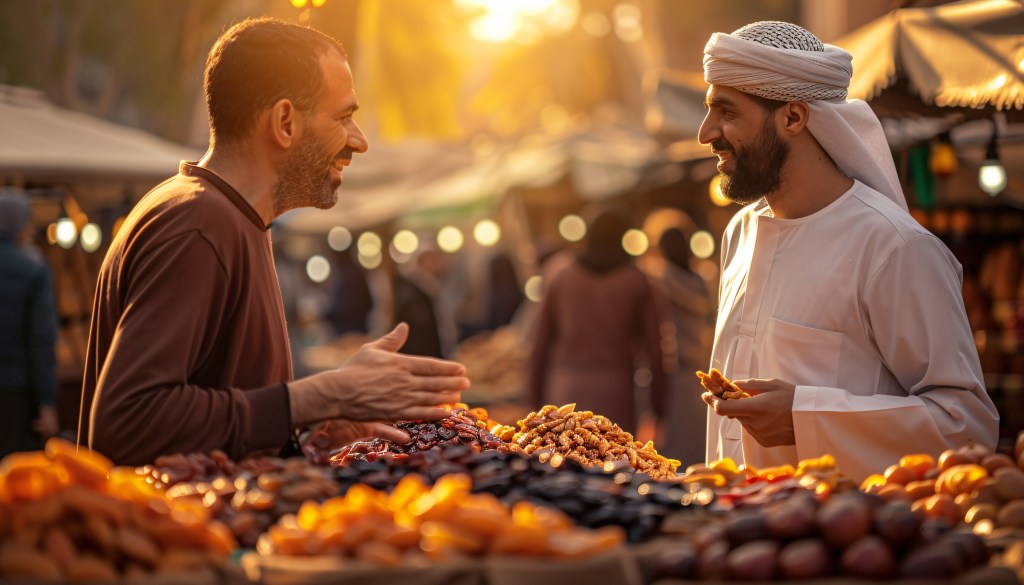
The United Arab Emirates is a land where tradition meets modernity, and nowhere is that blend more flavorful than in its cuisine. One of the first dishes that often comes to mind when talking about Emirati food is khuzi food. This slow-cooked lamb or goat served over fragrant rice with roasted nuts and raisins isn’t just a national delicacy — it’s a symbol of hospitality and heritage. Emirati cuisine reflects the nation’s cultural richness, from Bedouin roots to coastal influences, and khuzi remains a centerpiece of traditional feasts. For locals, it’s more than just food; it’s a celebration of identity, a nod to history, and a communal experience shared with family and friends.
As Dubai continues to attract food lovers from around the globe, many are eager to explore local dishes and dine where locals do. This article is your guide to uncovering the heart and soul of the UAE’s culinary tradition, highlighting where to taste the best local flavors, what dishes you simply can’t miss, and why the national food of UAE has earned its iconic status. With the help of local recommendations and authentic experiences, we’ll walk you through a flavorful journey you won’t forget.
What Makes Emirati Cuisine Unique?
Emirati cuisine is shaped by a landscape of deserts, coasts, and trading ports, which have long influenced the ingredients, spices, and cooking methods used in local dishes. Its uniqueness lies in the way it seamlessly fuses simplicity with richness. Traditional Emirati meals are built on a few key staples rice, meat (especially lamb, goat, and chicken), dates, and an array of aromatic spices such as cardamom, saffron, cinnamon, turmeric, and dried lime.
The cooking methods are often slow and methodical, reflecting the Bedouin lifestyle where meals were prepared with patience and care. Clay pots and open fires were historically used, preserving the depth of flavors. Today, while modern kitchens dominate urban homes, many traditional recipes remain untouched in their preparation, especially in local households or heritage restaurants.
The cultural aspect of sharing food is also central. Meals are often served in large portions on communal platters, encouraging a sense of togetherness. It’s this deeply rooted sense of community and heritage, combined with bold flavors and natural ingredients, that makes Emirati cuisine a standout in the culinary world.
Local Picks: Top 5 Must-Try Dishes in the UAE
Among the many dishes that define Emirati cuisine, there are a few that locals consistently recommend. These dishes aren’t just tasty; they tell a story of the land, the people, and the traditions that have been preserved for generations.
Khuzi
Starting strong with khuzi, this is perhaps the most iconic Emirati dish and a top contender for the national food of UAE. It’s made with slow-roasted lamb or goat placed over a bed of rice that is infused with spices, raisins, fried onions, and nuts. The meat is so tender it practically falls off the bone, and the blend of textures and flavors in the rice is unforgettable. Traditionally served during celebrations or to honor guests, khuzi embodies the essence of generosity and pride in Emirati hospitality. You can find delicious versions of this dish at restaurants like Al Fanar or Al Khayma Heritage in Dubai, which serve it with all the traditional accompaniments.
Harees
Harees is a Ramadan favorite, often enjoyed to break the fast because of its hearty and comforting texture. It consists of wheat and meat (usually chicken or lamb), cooked for hours until it becomes a creamy porridge-like dish. Harees is subtly seasoned, allowing the quality of its ingredients to shine. Locals love it for its simplicity, nutritional value, and cultural resonance. It’s a staple at family gatherings and also served in large communal pots during religious celebrations.
Machboos
Machboos is the Gulf’s answer to biryani. It features spiced rice cooked with meat (chicken, lamb, or fish), tomatoes, onions, and dried lime, known locally as “loomi.” The loomi gives the dish its characteristic tangy aroma, balancing the spices with a citrusy undertone. Machboos is a dish that varies from household to household, but the core flavors remain consistent. For visitors, it’s a gateway into Emirati comfort food, best experienced at restaurants like Seven Sands or Al Mandi Al Dhahabi in Dubai.
Balaleet
This dish surprises many: it’s a sweet and savory combination made with vermicelli noodles sweetened with sugar and saffron, served with a savory egg omelet on top. It’s typically eaten for breakfast and is a nostalgic favorite among Emiratis. The combination might sound odd to first-timers, but once you try it, the contrast between the sweet and salty flavors is quite delightful. Balaleet is a great example of the Emirati palate, which doesn’t shy away from creative contrasts.
Luqaimat
No Emirati meal is complete without dessert, and luqaimat is the undisputed favorite. These deep-fried dough balls are crispy on the outside and soft inside, drizzled with date syrup (dibs) and sprinkled with sesame seeds. Often compared to doughnuts, luqaimat is more than a sweet treat; it’s a staple at iftars, weddings, and national celebrations. Served piping hot, they’re best enjoyed fresh from a local vendor or heritage restaurant.
Spotlight: The National Food of UAE
When you dive into Emirati culture, it’s impossible to ignore the symbolic importance of food, particularly when discussing the national food of UAE. Though several dishes are worthy of this title, most locals and cultural historians agree that khuzi stands at the top. It checks every box — historical roots, cultural significance, and wide popularity across the Emirates.
Khuzi is often the centerpiece at weddings, family celebrations, and religious holidays. The dish is served in large platters, designed to be shared, reinforcing the Emirati value of community. It is labor-intensive to prepare, with the meat often marinated and cooked slowly for hours, while the rice is seasoned with saffron, cardamom, and cinnamon, then layered with roasted vegetables and dried fruits.
Across the UAE, especially in Dubai and Abu Dhabi, you’ll find many local eateries that take pride in perfecting this dish. Restaurants such as Al Khayma Heritage Restaurant offer a full Emirati dining experience, complete with majlis seating and traditional decor, allowing visitors to enjoy the national food of UAE in an authentic setting.
Tourists and residents alike are drawn to khuzi not only for its rich flavor but also because it offers a meaningful taste of the country’s culinary history. As food culture becomes more globalized, dishes like khuzi help preserve the nation’s identity, reminding everyone of what makes Emirati cuisine so special.
Where Locals Dine: Best Restaurants for Authentic Emirati Cuisine
Finding an authentic Emirati meal in a city full of international options can be challenging, but locals know exactly where to go. The following restaurants have earned a reputation for preserving the integrity of Emirati cuisine while offering an inviting experience to both tourists and locals.
Al Fanar Restaurant & Cafe
With locations in Dubai Festival City and Al Seef, Al Fanar offers a nostalgic trip back to the 1960s UAE. The interiors are modeled after old Emirati homes, and the menu includes a wide range of traditional dishes, from khuzi to harees. What makes Al Fanar a local favorite is its consistent quality and its commitment to heritage. It’s a place where locals bring visitors to show them the true flavors of the Emirates.
Al Khayma Heritage Restaurant
Located in the Al Fahidi Historical District, this restaurant offers a deeply immersive experience. You dine in a courtyard under the stars or inside a traditional tent, enjoying dishes prepared just as they were generations ago. Khuzi, machboos, and luqaimat are standout items here. It’s more than a restaurant; it’s a cultural experience.
Arabian Tea House
Though more known for its teas and light meals, Arabian Tea House in Al Bastakiya serves authentic Emirati breakfast and light lunch dishes, including balaleet and regag (thin Emirati bread). Locals appreciate the peaceful ambiance and traditional setting, making it a perfect spot for a mid-day meal with a dose of culture.
Seven Sands
Located on The Beach at JBR, Seven Sands is a modern restaurant with a traditional heart. It celebrates the diverse culinary heritage of the seven emirates, offering diners a full taste journey through the UAE. Dishes are presented with a modern twist but remain true to their roots. It’s a great choice for those new to Emirati food who want to experience a little bit of everything.
Cooking at Home: Can You Make Emirati Food Yourself?
While dining out offers the full Emirati experience, many locals take pride in preparing traditional meals at home. With the right ingredients and a bit of patience, you can try your hand at cooking dishes like harees, balaleet, or even khuzi in your own kitchen.
To start, you’ll need some essential ingredients: basmati rice, dried lime (loomi), saffron, ghee, cinnamon sticks, and a mix of other spices such as cumin, turmeric, and cardamom. Local markets and supermarkets in the UAE carry these items readily, and there are even spice souks where you can find premium blends.
YouTube channels like “Cooking with Zahra” and Emirati food blogs such as “Lama’s Kitchen” provide step-by-step instructions. Cooking these dishes at home not only allows you to experience the culture more deeply but also helps preserve the culinary traditions for future generations.
Conclusion – Preserving the Traditional Food of UAE
As we reach the end of this culinary journey, it’s important to recognize the role of food in preserving culture, identity, and history. The traditional food of UAE is not just about flavor; it’s about family, storytelling, and pride. Whether it’s through a shared platter of khuzi at a family gathering, a warm bowl of harees during Ramadan, or the sweet crunch of luqaimat during National Day celebrations, each bite carries a piece of heritage.
In a fast-paced world where international cuisines dominate urban dining scenes, traditional Emirati dishes remain a stronghold of authenticity. They connect the modern Emirati lifestyle with its Bedouin and coastal past. Restaurants, home kitchens, and food festivals across the UAE continue to celebrate these dishes, ensuring they never fade from memory.
So the next time you’re in Dubai or anywhere in the Emirates, step away from the expected and dive into the rich, flavorful world of traditional food of UAE. Let local recommendations guide your taste buds, and you’ll find more than a great meal you’ll find a story worth savoring.
 Software Services
Leave a comment